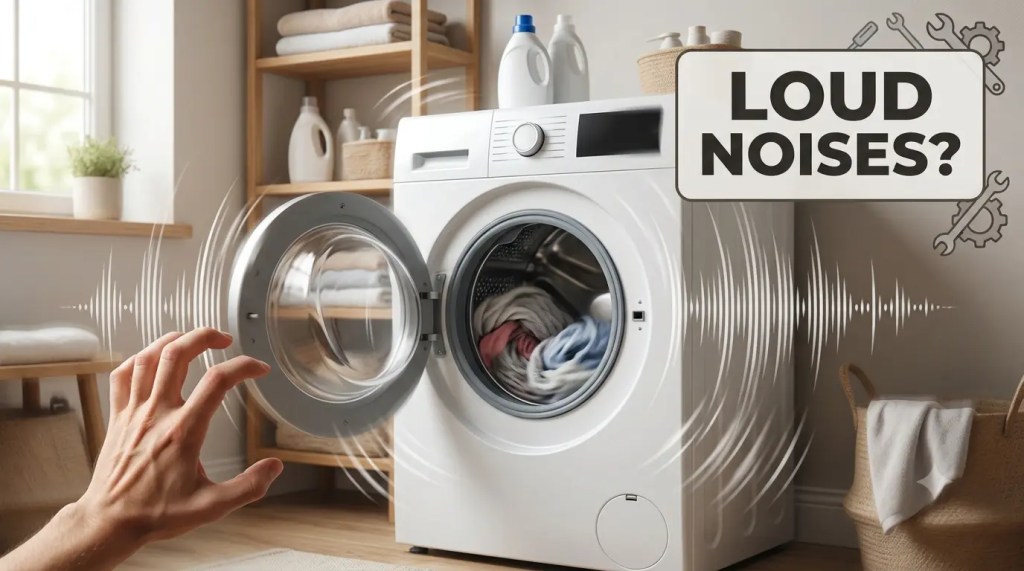
A washing machine that suddenly starts banging, grinding, or squealing during a cycle can be alarming, especially if it’s never made those sounds before. While some noise during operation is completely normal, certain sounds are your machine’s way of telling you something isn’t right. In this guide, we’ll break down the most common washing machine noises, what causes them, and how to know when it’s time to call in professional help.
Why Noise Levels Matter
Every washing machine makes some noise as it fills, agitates, spins, and drains. But there’s a clear difference between the normal hum of a machine running smoothly and the sudden appearance of loud banging, grinding, or squealing sounds. Catching unusual noises early can help you avoid more serious mechanical damage and unnecessary expenses down the line.
Common Washing Machine Noises and What They Mean
1. Loud Banging or Thumping
This is one of the most common complaints, and in most cases, it points to an unbalanced load. When clothes bunch up on one side of the drum, especially heavier items like towels, blankets, or jeans, the machine becomes off-balance during the spin cycle, causing it to bang against the surrounding cabinet.
What to do: Pause the cycle, open the lid or door, and redistribute the clothes evenly around the drum. If banging continues even with a balanced, appropriately sized load, worn suspension springs or shock absorbers could be the cause, which may require a washing machine repair technician to inspect and replace.
2. Loud Grinding Noises
A grinding sound, especially during the spin cycle, often signals a problem with the bearings that support the drum. Over time, these bearings can wear out due to age, water leaks, or general use, causing metal-on-metal contact that produces a harsh grinding noise.
What to do: Bearing issues typically don’t resolve on their own and tend to worsen over time. This is usually a job for a professional, since replacing drum bearings involves partially disassembling the machine.
3. Squealing or Screeching Sounds
A high-pitched squeal, particularly when the machine starts spinning, is often caused by a worn or loose drive belt. As belts age, they can lose tension or develop cracks, causing them to slip and squeal against the pulley.
What to do: In many cases, this is a straightforward fix involving belt replacement or adjustment. If you’re not comfortable accessing the machine’s internal components yourself, this is a good time to schedule a washing machine repair appointment rather than risk further damage.
4. Clicking or Clunking Sounds
Occasional clicking during the fill or drain cycle can sometimes be normal, related to valves opening and closing. However, persistent or loud clunking, especially combined with vibration, may indicate a foreign object like a coin or button caught in the drum, pump, or between the tub and drum wall.
What to do: Check pockets before washing to prevent small items from entering the machine. If you suspect an object is lodged inside, turn off the machine and consult your manual for how to access the drain filter or drum area safely.
5. Loud Humming Without Movement
If your machine hums but the drum doesn’t move, this often points to a motor issue or a drive belt that has come completely off. In some cases, it can also indicate the motor coupling, a small part connecting the motor to the transmission, has broken.
What to do: This typically requires professional diagnosis, as pinpointing whether the issue lies with the motor, belt, or coupling isn’t always straightforward without opening up the machine.
6. Vibrating and Rattling
Excessive vibration and rattling, especially when the machine seems to “walk” across the floor during spin cycles, is often caused by an unlevel machine. Washing machines have adjustable feet designed to keep them stable, and if these aren’t properly leveled, the entire unit can shake excessively.
What to do: Use a level tool to check if your machine sits evenly, and adjust the feet accordingly. Also make sure the machine isn’t overloaded, as this can worsen vibration even on a level surface.
When Noise Signals a Bigger Problem
While many noise issues have simple fixes, like redistributing a load or leveling the machine, some sounds indicate deeper mechanical wear that will only get worse with continued use. Grinding bearings, failing motors, and damaged drums typically don’t resolve themselves and often require a trained technician to properly diagnose and repair.
Ignoring these warning signs can lead to more expensive damage over time, sometimes affecting multiple components instead of just one. If a strange noise persists after checking the basics, load balance, leveling, and pockets, it’s worth having a professional assessment before the issue escalates.
How to Prevent Future Noise Problems
A few simple habits can help minimize unusual noises and extend your washing machine’s lifespan:
- Always distribute laundry evenly in the drum, avoiding overly small or overly large loads
- Empty pockets before washing to prevent foreign objects from causing damage
- Periodically check that your machine is level and stable
- Avoid overloading the machine beyond its recommended capacity
- Address minor noises early instead of waiting for them to worsen
Final Thoughts
Not all washing machine noises are cause for concern, but learning to recognize the difference between normal operating sounds and warning signs can save you from bigger headaches later. Simple issues like unbalanced loads or unlevel feet are easy to fix yourself, while grinding, persistent squealing, or humming without movement usually point to mechanical wear that’s best left to a professional. When in doubt, it’s always safer to pause the machine and investigate the cause rather than let a small issue turn into a major, costly repair.

