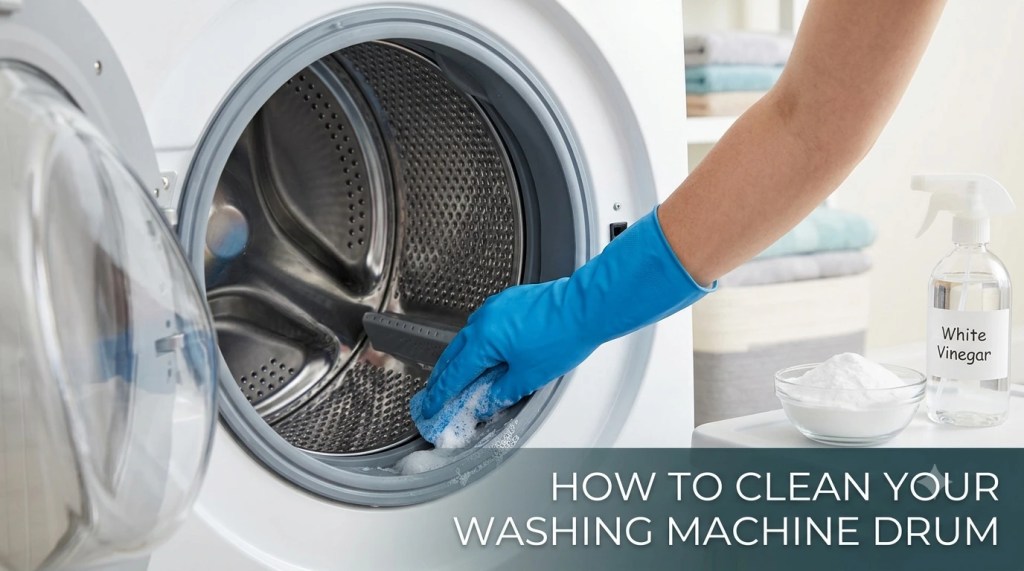
Opening your washing machine to a musty, unpleasant smell is one of the most common complaints homeowners have, and it’s a problem that only gets worse if ignored. That damp, sour odor isn’t just unpleasant; it can actually transfer onto your freshly washed clothes, making them smell dirty even right after a cycle. The good news is that a smelly washing machine is almost always fixable with regular cleaning. In this guide, we’ll walk you through exactly how to clean your drum and prevent odors from coming back.
Why Does a Washing Machine Start Smelling Bad?
Before jumping into the cleaning process, it helps to understand what’s actually causing the odor. Washing machines, especially front-load models, create a warm, moist environment that’s ideal for mold and mildew growth. Several factors contribute to this:
- Detergent and fabric softener residue building up inside the drum and dispenser drawer
- Trapped moisture around the door seal, especially in front-load machines
- Low-temperature washes that don’t get hot enough to kill bacteria and mold
- Closed doors between washes, which trap humidity inside the drum
- Lint and debris buildup in the drain filter and pump area
Over time, this combination creates the perfect breeding ground for the musty smell many homeowners struggle with.
Step-by-Step: How to Clean Your Washing Machine Drum
Step 1: Run an Empty Hot Water Cycle
Start by running your washing machine empty on the hottest water setting available, ideally with a dedicated washing machine cleaner or two cups of white vinegar added directly to the drum. This helps break down soap scum, mineral deposits, and bacteria buildup inside the machine.
Step 2: Add Baking Soda for a Deeper Clean
For extra cleaning power, add half a cup of baking soda to the drum before running the hot water cycle. Baking soda helps neutralize odors and works well alongside vinegar or a commercial cleaner to lift away grime.
Step 3: Scrub the Door Seal and Gasket
The rubber gasket around a front-load machine’s door is one of the biggest culprits for trapped mold and mildew. Pull back the folds of the gasket and scrub thoroughly with a mixture of equal parts water and vinegar, or a mild bleach solution if mold is heavily present. Rinse and dry the area completely afterward.
Step 4: Clean the Detergent Dispenser Drawer
Remove the detergent and fabric softener drawer (most slide out easily) and soak it in warm, soapy water. Use an old toothbrush to scrub away caked-on residue in the corners and channels, then rinse thoroughly before sliding it back into place.
Step 5: Clean the Drain Filter
Most washing machines have a small drain filter located behind a panel at the bottom front of the unit. Lint, hair, and small debris often collect here, contributing to odors. Place a towel underneath to catch water, unscrew the filter, clean out any buildup, and reinsert it securely.
Step 6: Wipe Down the Exterior and Control Panel
Don’t forget the outside of the machine. Wipe down the control panel, top surface, and area around the door with a damp cloth to remove dust and residue that can also contribute to a stale smell in the laundry area.
How Often Should You Clean Your Washing Machine?
For most households, running a deep cleaning cycle once a month is sufficient to prevent odor buildup. If you live in a humid climate, wash frequently, or have noticed odors before, cleaning every two to three weeks may be more effective at keeping smells away.
Preventing Bad Odors From Coming Back
Cleaning your machine solves the immediate problem, but a few simple habits will help prevent odors from returning:
- Leave the door open between washes to allow moisture to evaporate instead of getting trapped inside
- Wipe down the door seal after washes, especially if you notice visible moisture
- Use the correct amount of detergent since excess detergent doesn’t rinse away fully and contributes to residue buildup
- Run occasional hot water cycles, even if most of your washing is done on cooler settings, to help kill bacteria
- Remove wet laundry promptly instead of leaving it sitting in the drum after a cycle finishes
- Use high-efficiency (HE) detergent if your machine requires it, since regular detergent can create excess suds and residue in HE machines
When Odors Point to a Bigger Issue
In most cases, regular cleaning resolves washing machine odors completely. However, if the smell persists even after a thorough cleaning, it could indicate a deeper issue, such as mold growth inside the drain hose, a clogged pump, or standing water trapped somewhere inaccessible during normal cleaning. In these situations, a washing machine repair technician can inspect components that aren’t easily reachable during routine maintenance and identify the source of the lingering odor.
Persistent smells combined with other symptoms, like slow draining or unusual noises, are also worth having checked professionally, since these issues often point to the same underlying cause and may need a proper washing machine repair rather than another round of cleaning.
Final Thoughts
A smelly washing machine is a common problem, but it’s rarely a permanent one. Regular cleaning of the drum, door seal, detergent drawer, and drain filter, combined with simple habits like leaving the door open between washes, will keep odors from building up in the first place. Staying consistent with this routine not only keeps your laundry smelling fresh but also helps your machine run more efficiently and last longer overall.

